DESTINATIONS

Thirty destinations. Five landscapes. One island that contains all of them.

Sri Lanka is a country of extraordinary geographical compression – within a drive of a few hours, the landscape shifts from flat coastal plains to mist-covered mountain passes, from ancient stone cities to dense tropical rainforest, from safari savannah to colonial hill stations framed by tea. Understanding how these regions connect, and how to sequence them for the most rewarding possible journey, is the knowledge at the heart of every The Asian Breeze Travels itinerary. The thirty destinations below represent the full range of what this island offers – each one distinct, each one worth the journey.

Sun-warmed shores. Wild surf. Calm bays. Sri Lanka's coastline in all its variety.

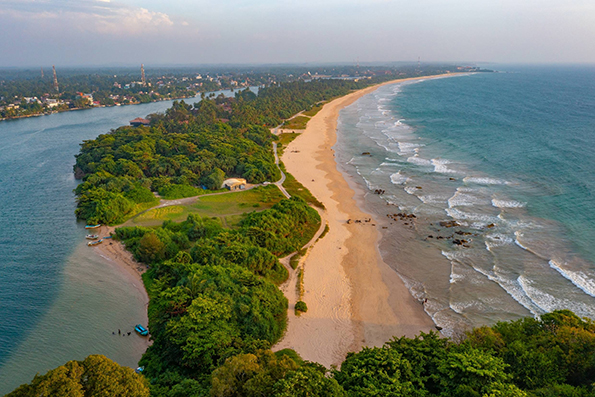
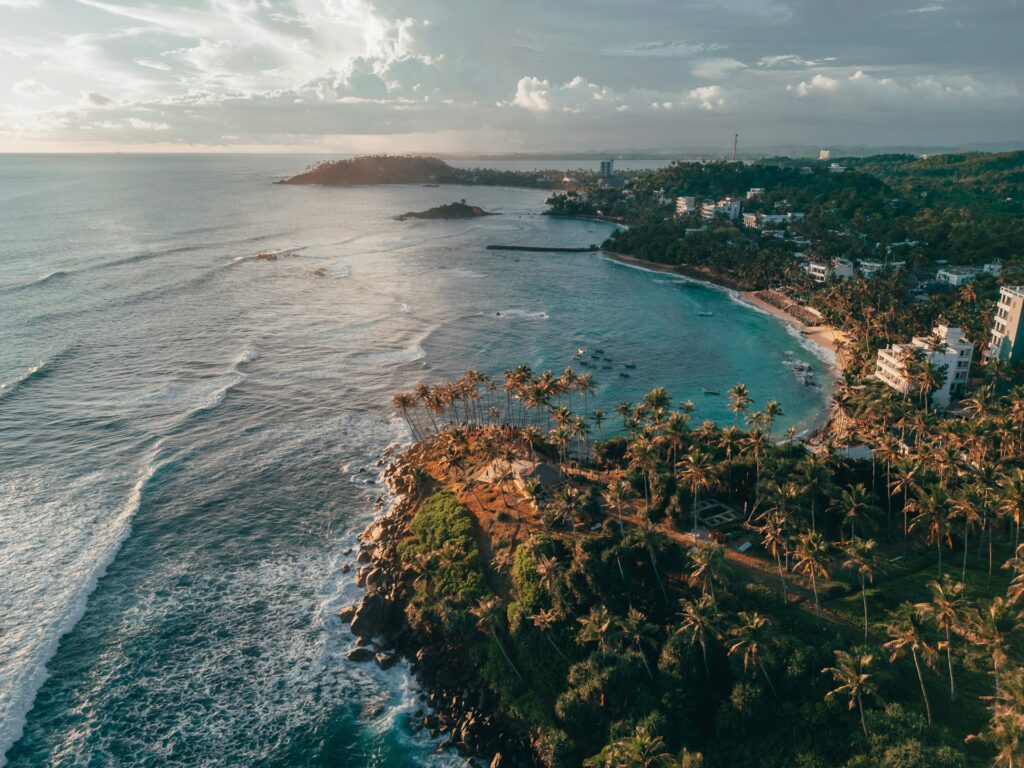
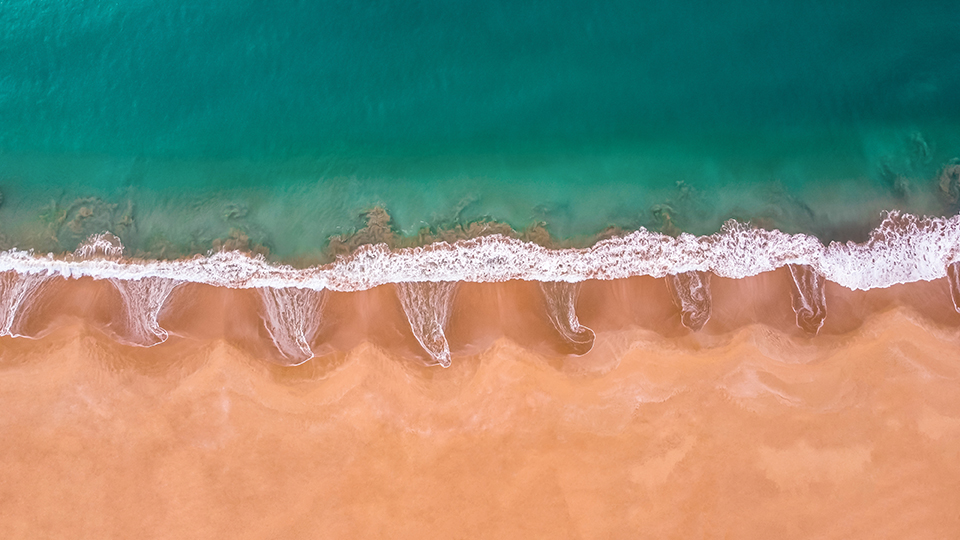
Sri Lanka’s coastline curves for over 1,600 kilometres, and no two stretches of it are quite the same. From Negombo’s lagoon-edged fishing communities and Weligama’s beginner-friendly surf to Passikudah’s extraordinary shallow reef-protected bay and Galle’s UNESCO colonial harbour city, the island’s coastal destinations offer something for every kind of beach traveller. The trick – as with every Sri Lanka region – is knowing which coast, which beach, and which season.

Negombo

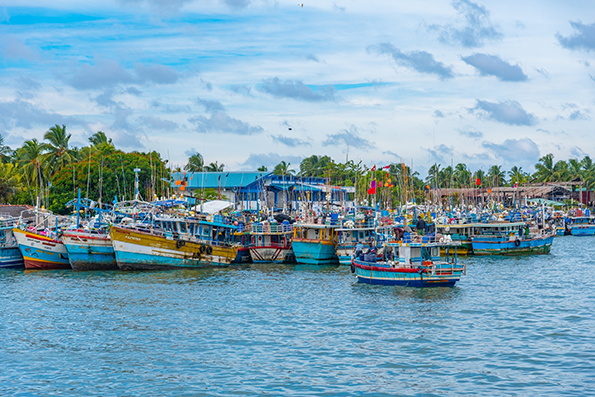
Negombo sits just twenty minutes from the international airport, making it the ideal first and last stop for travellers who want to ease gently into and out of Sri Lanka. Its wide sandy beach, colourful fishing fleet, and active lagoon give it a character that is genuinely its own – not simply a transit stopover but a destination worth a night or two. The seafood served fresh from the morning catch is among the best on the island, and the lagoon at dusk is one of Sri Lanka’s quietly beautiful moments. A comfortable, laid-back introduction to the island.

Bentota

Bentota is where Sri Lanka’s finest river estuary meets a long, open beach – a natural combination that makes it the island’s undisputed water sports capital. Jet skiing, windsurfing, banana boating, and kayaking sit alongside riverboat safaris through mangrove channels and afternoon relaxation at some of the island’s most elegantly positioned beach properties. The Bentota and Madu Rivers are ecologically rich and endlessly rewarding to explore by boat. A complete coastal destination that balances activity, beauty, and genuine relaxation.

Hikkaduwa

Hikkaduwa has been one of Sri Lanka’s most beloved coastal towns for decades, and its reputation endures because the combination of beach, reef, and atmosphere is genuinely hard to beat. A living coral reef just offshore supports sea turtles, reef fish, and glass-calm snorkelling conditions in the right season. The surf break is consistent and accessible, the beachside restaurants are relaxed, and the town has an easy, unpretentious energy that keeps travellers extending their stay. Authentic, well-established, and still worth every visit.

Unawatuna

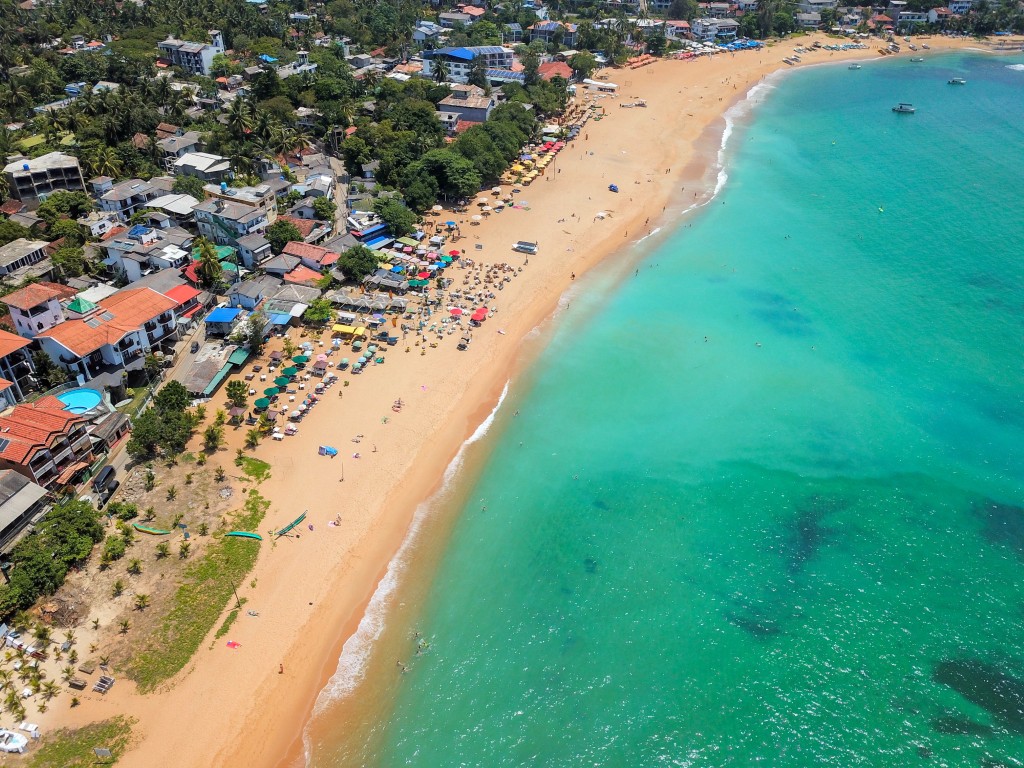
Unawatuna’s sheltered, crescent-shaped bay – framed by jungle headlands and gentle reef-filtered water – is one of the most naturally beautiful beaches on Sri Lanka’s south coast. The calm, clear water makes it ideal for swimming and snorkelling without the stronger currents that characterise more exposed beaches further along the coast. A small, manageable stretch of beachside restaurants and accommodation sits within easy reach of Galle Fort, making it an excellent base for exploring both the coast and the heritage city. Beautiful, convenient, and enduringly popular.

Galle

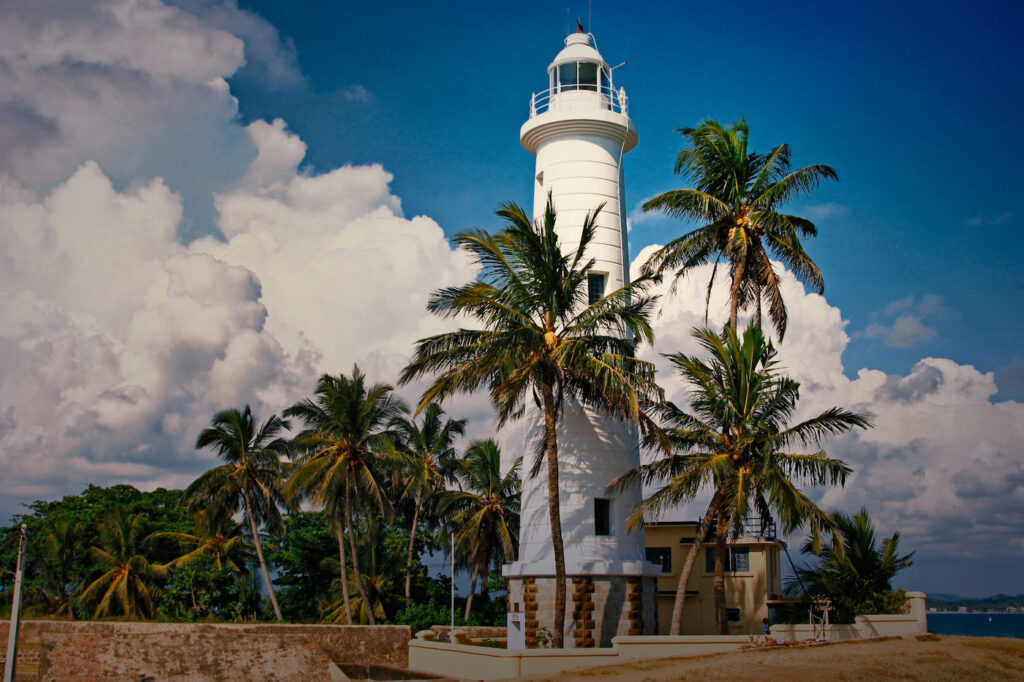
Galle is Sri Lanka’s most sophisticated coastal destination – not primarily a beach but a living UNESCO World Heritage city of Dutch colonial fortifications, cobblestone lanes, boutique hotels, artisan studios, and sunset rampart walks that draw visitors from across the world. The Fort is compact enough to explore entirely on foot and layered enough to reward multiple days of unhurried wandering. The dining scene within the walls is exceptional, and the surrounding coastal landscape – beaches to the east and west, lagoon to the north – offers everything a coastal traveller needs within easy reach. One of Asia’s finest small cities.

Mirissa

Mirissa is a small, perfectly formed bay on Sri Lanka’s southern tip – the island’s best whale watching base and one of its most beautiful beaches in a single compact destination. Blue whale and sperm whale sightings offshore between November and April are extraordinary, and the bay itself offers calm swimming, fresh seafood, and a relaxed atmosphere that feels entirely its own. The town is small enough to be unhurried but developed enough to be comfortable, and the combination of ocean life and beach life makes it one of the south coast’s most complete experiences.

Weligama

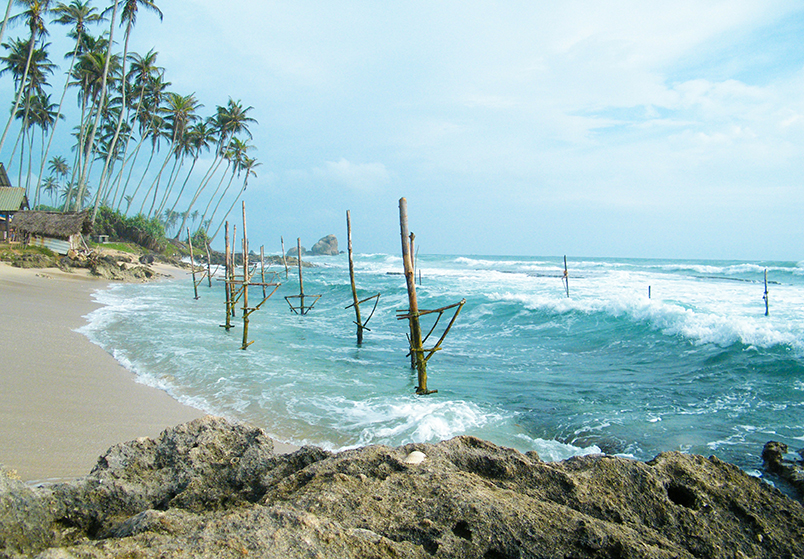
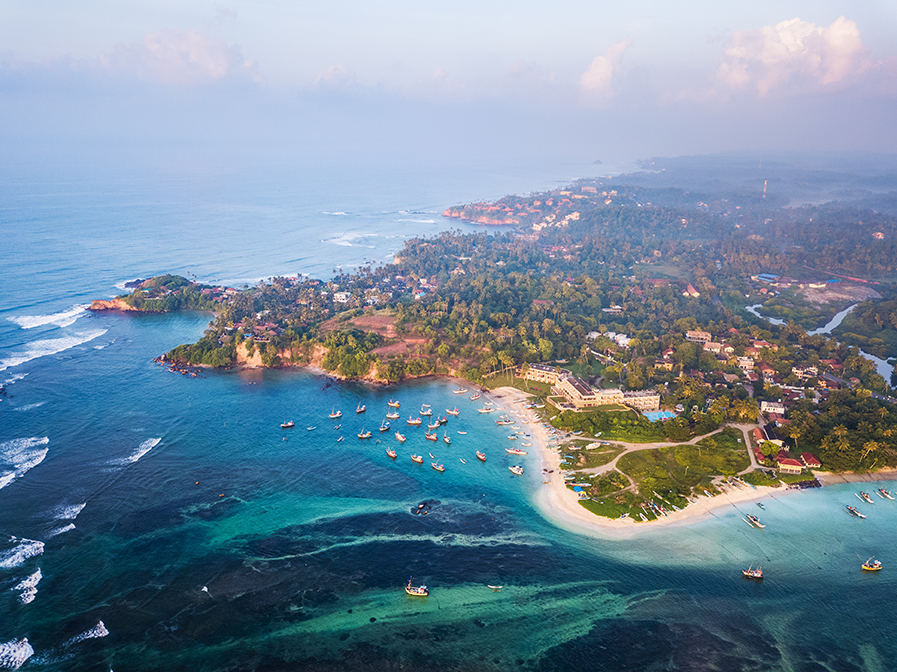
Weligama’s long, gently curving beach and consistent beginner-friendly surf break have made it Sri Lanka’s premier learn-to-surf destination – a welcoming, well-serviced bay where the warm water, accessible waves, and abundance of surf schools create an ideal environment for first-timers. Beyond the surf, the town has a genuinely warm coastal character, excellent food, and a growing creative and café scene that makes it enjoyable for non-surfers too. The nearby stilt fishermen of the coast are among Sri Lanka’s most photogenic sights. A natural, unpretentious coastal favourite.

Arugam Bay

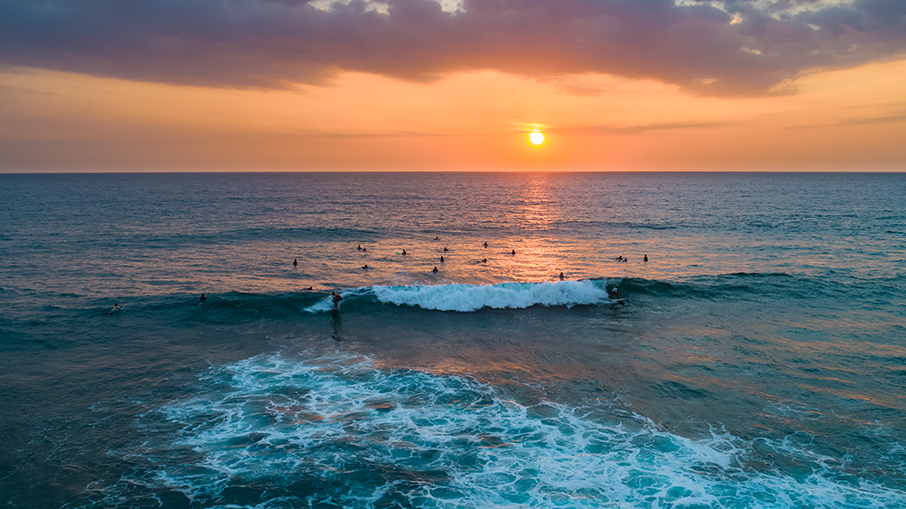
Arugam Bay is Sri Lanka’s legendary east coast surf destination – a right-hand point break rated among the best in the world, drawing serious surfers from across the globe between May and October. Beyond the surf, the bay has a barefoot, barefoot atmosphere entirely different from the south coast, with nearby national parks, lagoons, and elephant corridors providing extraordinary wildlife encounters just minutes from the beach. The east coast’s turquoise water and empty beaches in the off-surf months make it one of the island’s most rewarding discoveries for travellers seeking something genuinely off the beaten path.

Trincomalee

Trincomalee is Sri Lanka’s great eastern treasure – a deep natural harbour, a dramatic clifftop Hindu temple, and some of the clearest, most marine-rich water on the island, all in a destination that most visitors have yet to fully discover. Pigeon Island National Park just offshore offers a coral reef of outstanding quality, and the whale and dolphin watching in the surrounding waters is world-class. The historic Koneswaram Temple perched on Swami Rock above the sea is one of Sri Lanka’s most dramatic and spiritually significant sites. A destination of genuine distinction that rewards those who make the journey east.

Passikudah

Passikudah is defined by one extraordinary natural feature: a vast, shallow, reef-protected lagoon where the warm, clear water barely reaches the knee for hundreds of metres offshore. This creates swimming and paddling conditions of unusual safety and beauty, making it one of the island’s most naturally suited destinations for families and those seeking a completely relaxed, resort-quality beach experience. The surrounding coastline is largely undeveloped, the pace is unhurried, and the quality of the water – visibility, clarity, temperature – is exceptional year-round on the eastern seaboard’s dry-season schedule.

Where history has never fully left. Where the stone still holds the story.

Sri Lanka’s Cultural Triangle encompasses some of the oldest continuously inhabited cities in the world – sacred capitals of ancient kingdoms that built dagobas, reservoirs, and garden-citadels of extraordinary scale and ambition. UNESCO recognition has done nothing to diminish their power; these are places that still function as living centres of religious life, visited by pilgrims and travellers alike. Exploring them with a knowledgeable guide is one of the most rewarding experiences Asia has to offer.

Sigiriya

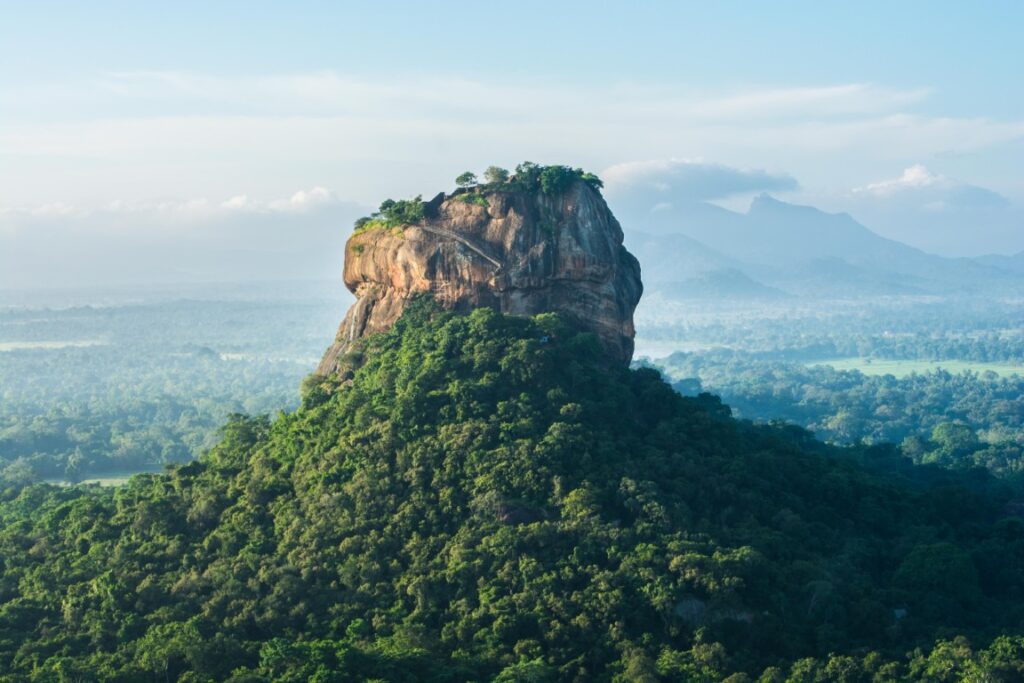
Sigiriya is one of Asia’s most extraordinary ancient sites – a fifth-century royal citadel built atop a volcanic rock that rises 200 metres sheer from the surrounding jungle. The ascent passes ancient frescoes painted onto the rock face, a pair of massive lion paws carved in granite, and the ruins of elaborate water gardens laid out at the base a millennium and a half ago. From the summit, the view across the flat Cultural Triangle Forest is genuinely breathtaking. A UNESCO World Heritage Site of rare drama and archaeological richness.

Anuradhapura

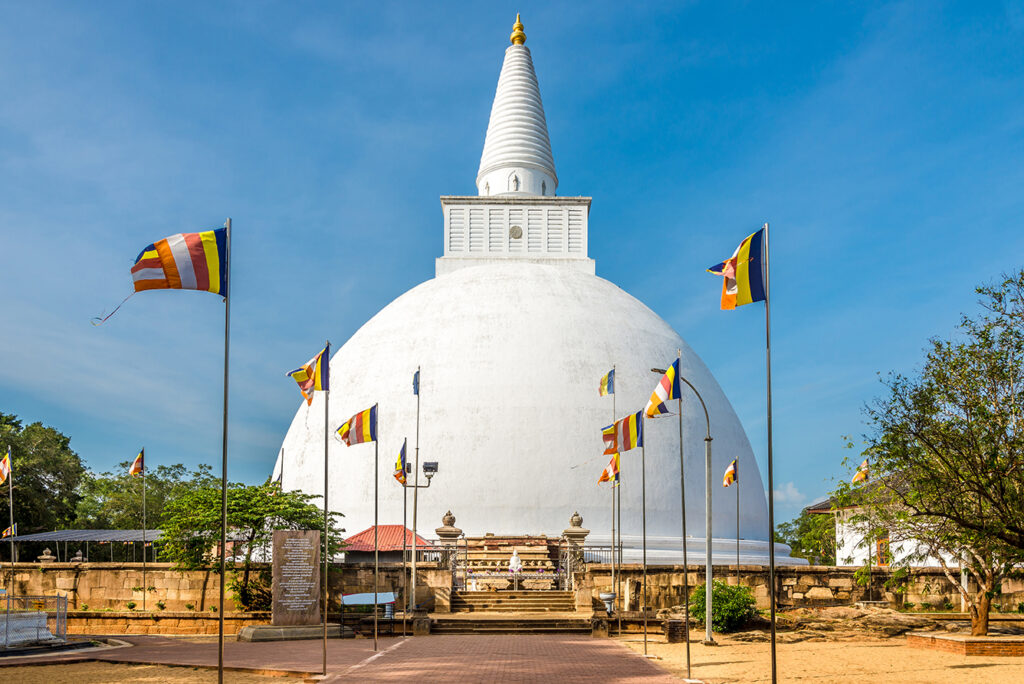
Anuradhapura is Sri Lanka’s oldest and most sacred ancient capital – a vast, living city of towering white dagobas, ancient monastery complexes, and the Sri Maha Bodhi tree, a direct descendant of the tree under which the Buddha attained enlightenment and one of the most sacred objects in the Buddhist world. The scale of the ruins here is extraordinary; this was a city of 100,000 people at its height, and what remains – spread across a wide protected zone – is staggering in its ambition and its survival. Best explored slowly, on foot or by bicycle, with a guide who can unlock its depth.

Polonnaruwa

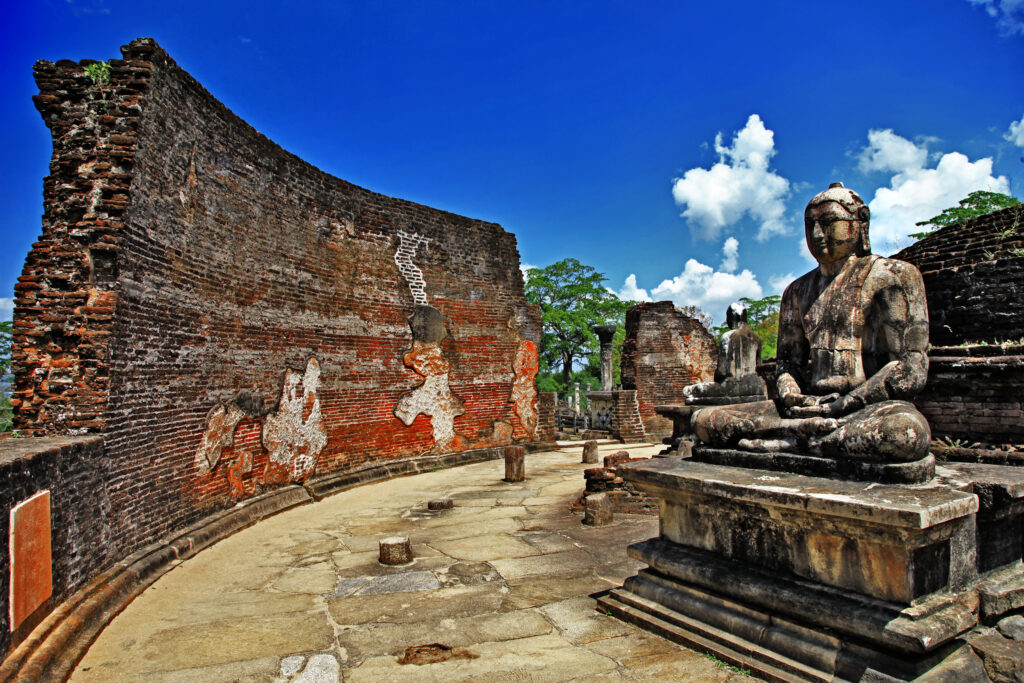
Polonnaruwa is Sri Lanka’s medieval capital and one of its most rewarding archaeological experiences – a remarkably well-preserved ancient city set beside a vast man-made reservoir, best explored by bicycle on a trail that moves through royal compounds, sacred temples, and the celebrated Gal Viharaya, where four colossal Buddha figures are carved directly into a granite face. The ruins are concentrated, accessible, and visually magnificent, with a parkland setting that makes the experience of moving through them genuinely pleasurable. One of the finest ancient cities in Asia.

Kandy

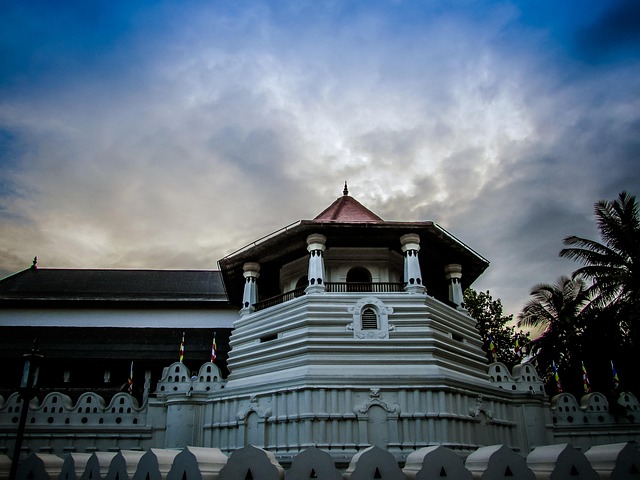
Kandy is Sri Lanka’s last royal capital and the living cultural heart of the island – a highland city of sacred temples, colonial architecture, a serene lakeside, and the revered Temple of the Sacred Tooth Relic, which houses Buddhism’s most precious object. The city remains a genuine centre of Sinhalese cultural life, with traditional craft, ceremony, and dance all continuing in authentic, living form. Peradeniya Botanical Gardens on the city’s edge is one of the finest tropical garden collections in Asia. A city of multiple dimensions that rewards depth of exploration.

Dambulla

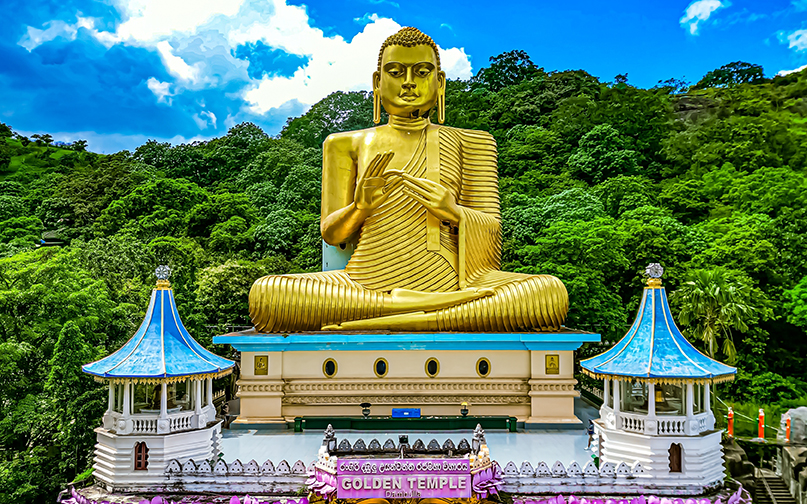
Dambulla’s cave temple complex is one of the most extraordinary examples of sacred rock art in Asia – a series of five caverns carved into a granite outcrop, their interiors layered with over 1,500 years of Buddhist murals and 157 statues, including a 15-metre reclining Buddha that fills the length of a natural cave. Sitting high above the Cultural Triangle plain, the site offers sweeping views alongside its remarkable interior, and the scale and quality of the art within makes it genuinely distinct from every other heritage site on the island. A UNESCO World Heritage Site of great beauty and historical depth.

Leopards at dawn. Elephants at the reservoir. The wild Sri Lanka that stays with you.

Sri Lanka’s national parks offer some of the most accessible, consistently rewarding wildlife encounters in Asia – concentrated, ecologically diverse, and home to species that range from the world’s highest density of leopards to the largest gatherings of Asian elephants on earth. Each park has its own character, its own ecosystem, and its own distinct wildlife experience, and the variety between them is itself one of the island’s great natural stories.

Yala National Park

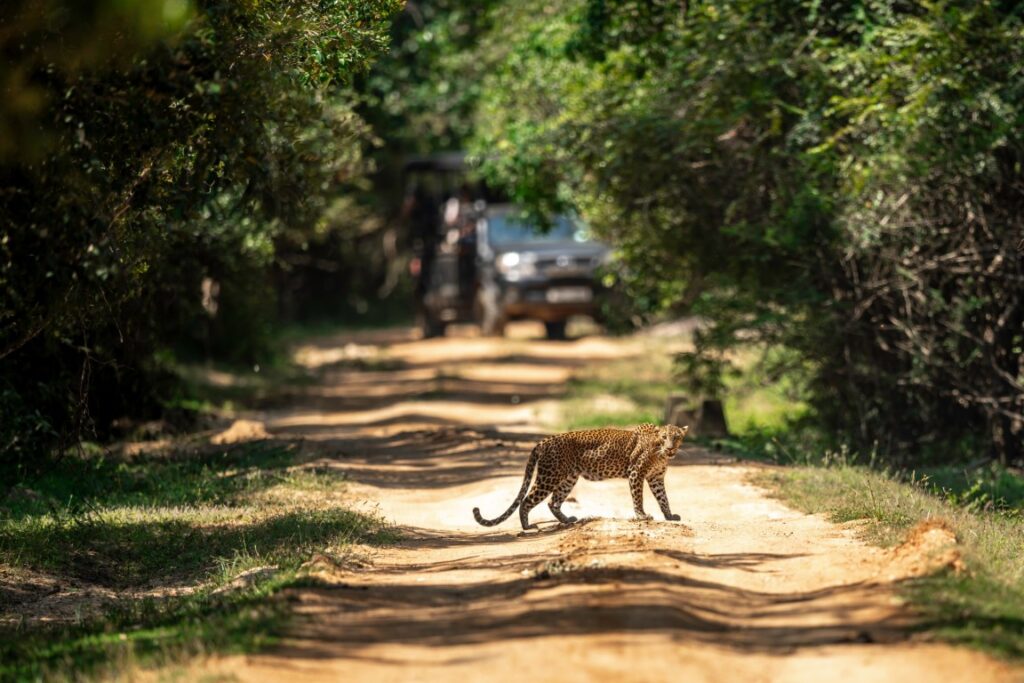
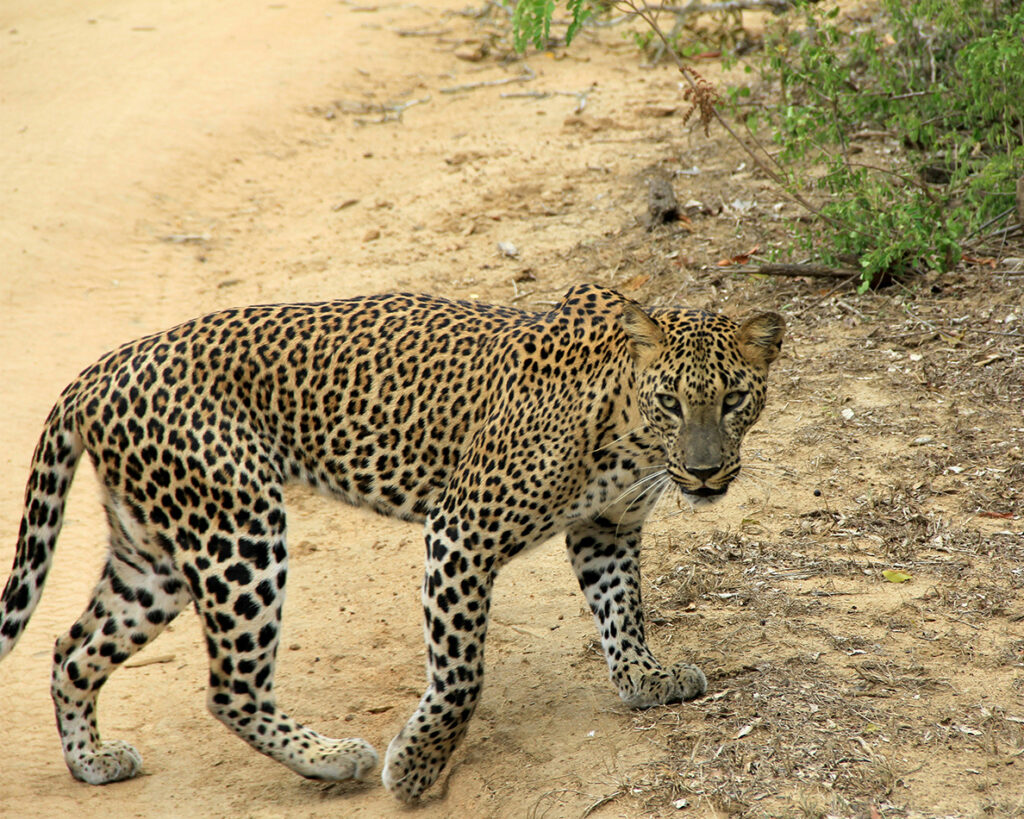
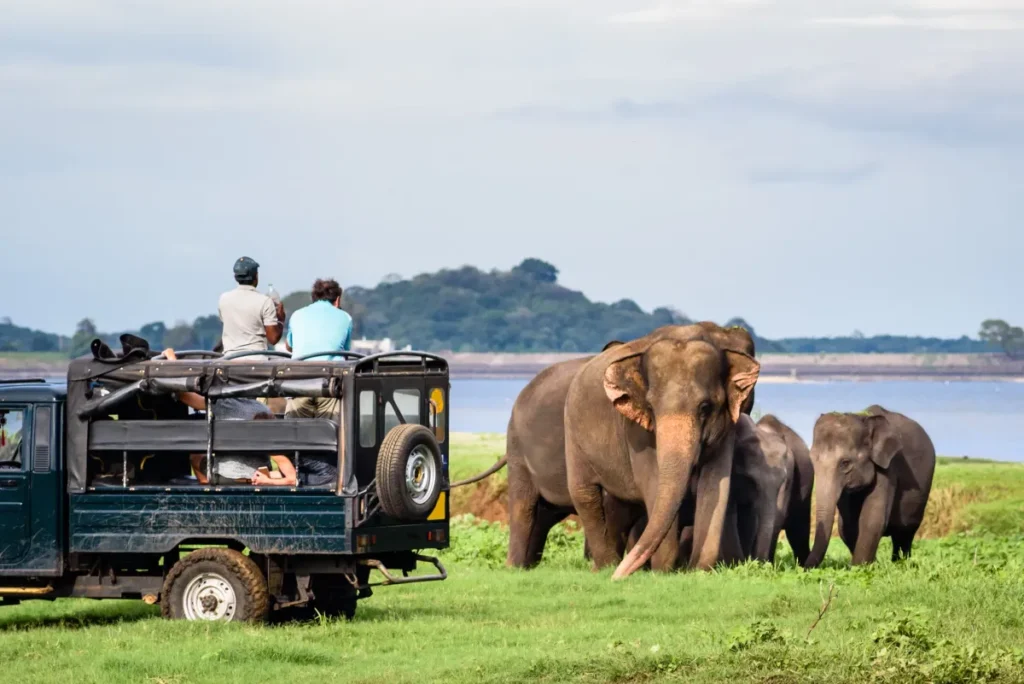
Yala is Sri Lanka’s most celebrated wildlife destination, and its reputation is built on a single extraordinary statistic: the highest concentration of leopards anywhere in the world. A morning jeep safari in Yala consistently delivers leopard sightings alongside elephants, sloth bears, mugger crocodiles, and over 200 recorded bird species across habitats that shift from dry scrub and lagoon to beach and forest within a single circuit. The eastern blocks in particular feel genuinely wild and remote, and the quality of wildlife encounter here – in terms of frequency and proximity – is exceptional by any global standard.

Wilpattu National Park

Wilpattu is Sri Lanka’s largest national park and one of its least visited – a vast wilderness of dry forest, open grassland, and its defining feature: a unique system of natural lakes known as villus, which attract extraordinary concentrations of wildlife across their seasonal cycles. Leopard sightings are increasingly frequent and the atmosphere of the park – quiet, remote, genuinely untamed – is a meaningful contrast to the busier parks of the south. For travellers who want a more solitary, immersive safari experience, Wilpattu is the answer.

Minneriya National Park

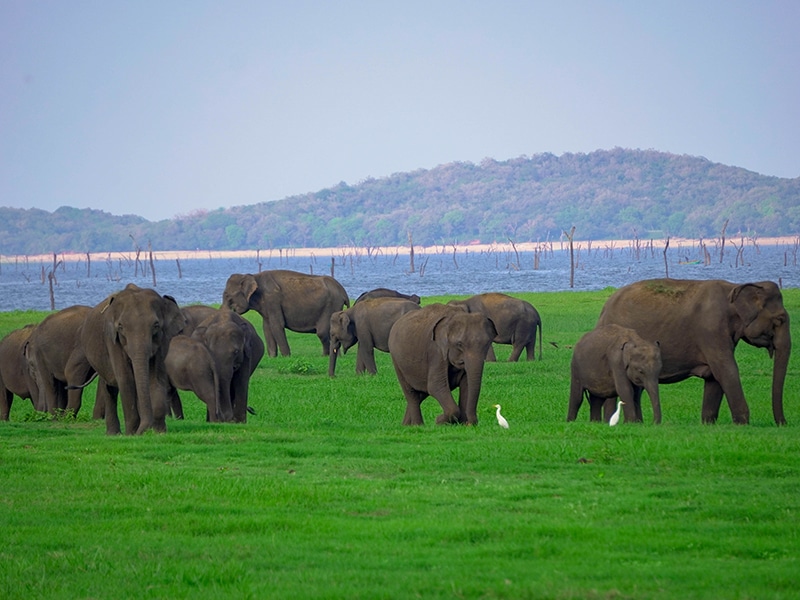
Minneriya’s central feature is The Gathering – one of nature’s great spectacles, in which hundreds of wild Asian elephants converge on the park’s ancient reservoir between July and October as the surrounding waterholes dry up. At peak concentration, the viewing can exceed 300 elephants in a single evening session – grazing, swimming, playing, and socialising in what is regarded as the largest gathering of Asian elephants on earth. Outside The Gathering season, the park is still excellent for elephants and birdlife, and the setting around the Minneriya tank is beautiful in every season.

Udawalawe National Park

Udawalawe is Sri Lanka’s most reliable park for elephant sightings – herds of wild Asian elephants move freely across its open savannah grasslands in concentrations that make daytime viewing exceptional throughout the year. The landscape is open and dramatic, with the Udawalawe Reservoir providing a focal point for wildlife activity and photography. The nearby Elephant Transit Home, operated by the Wildlife Conservation Department, cares for orphaned elephant calves before their return to the wild – one of Sri Lanka’s most worthwhile and genuine wildlife welfare experiences.

Bundala National Park

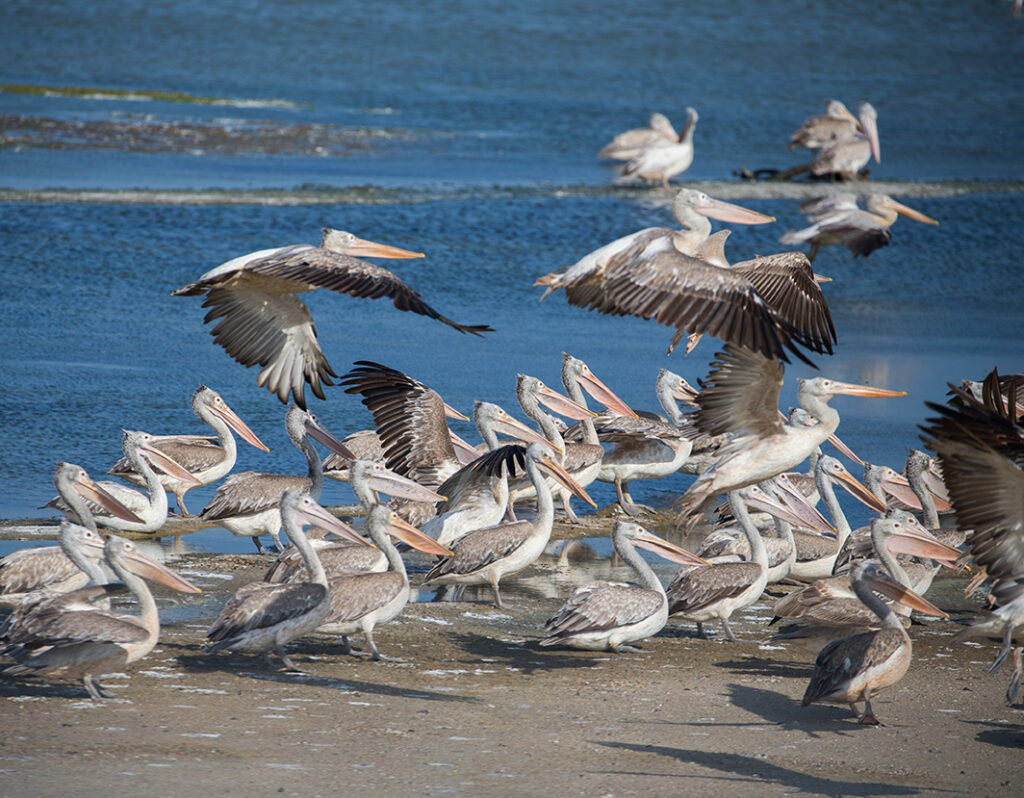
Bundala is Sri Lanka’s premier birdwatching destination – a UNESCO Biosphere Reserve of coastal lagoons, scrub forest, and sand dunes that provides critical habitat for migratory water birds arriving from across Asia and as far as Siberia between November and March. Flamingos, pelicans, painted storks, and spoonbills are among the regular visitors, and the park’s quieter, more measured pace makes it ideal for birdwatchers and nature photographers who prefer observation over the adrenaline of a leopard safari. A beautiful, underrated, and ecologically significant park.

Cool air. Misty ridges. The island's most beautiful interior, unhurried.

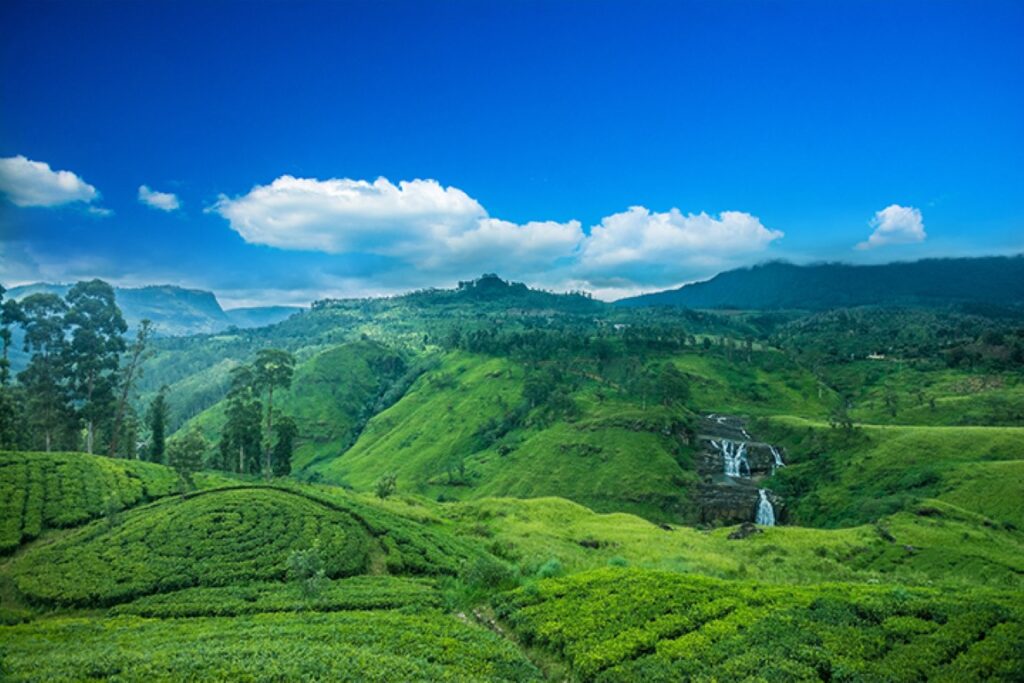
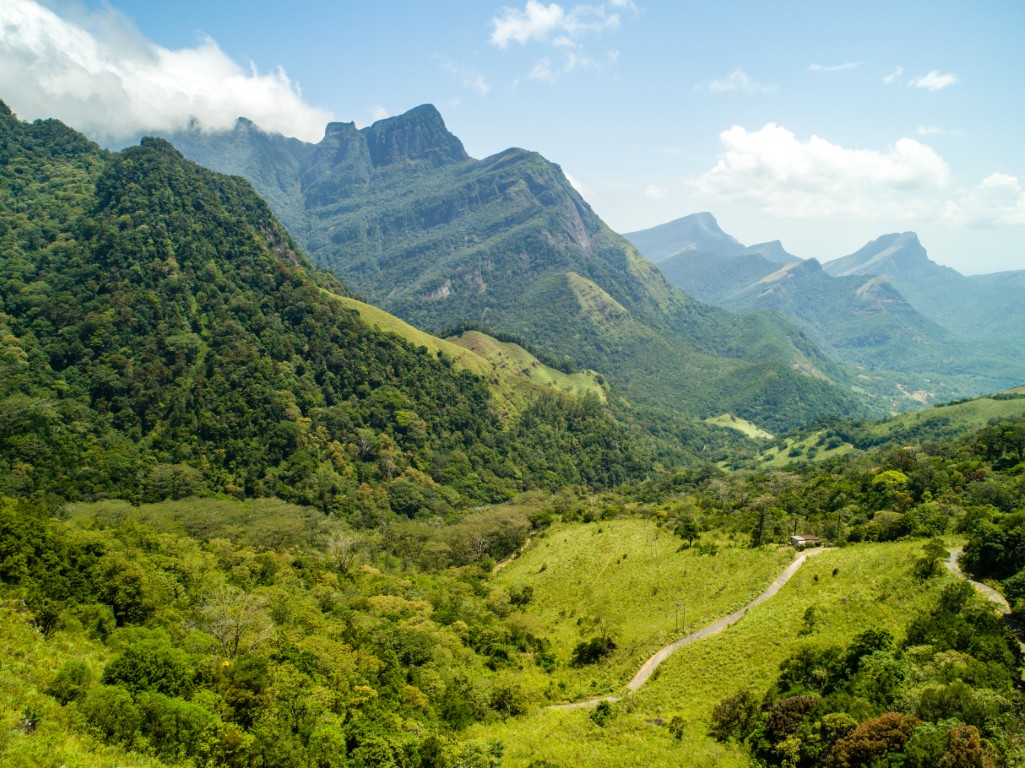
Sri Lanka’s central highlands are the island’s most visually dramatic and emotionally resonant landscapes – a world of rolling tea estates, colonial-era hill stations, mist-covered mountain passes, and the iconic rail line that winds through all of them. The cool, clear air, the extraordinary scenery, and the deeply pleasurable unhurried pace of the best highland journeys make this region consistently the most memorable part of any Sri Lanka trip.

Ella

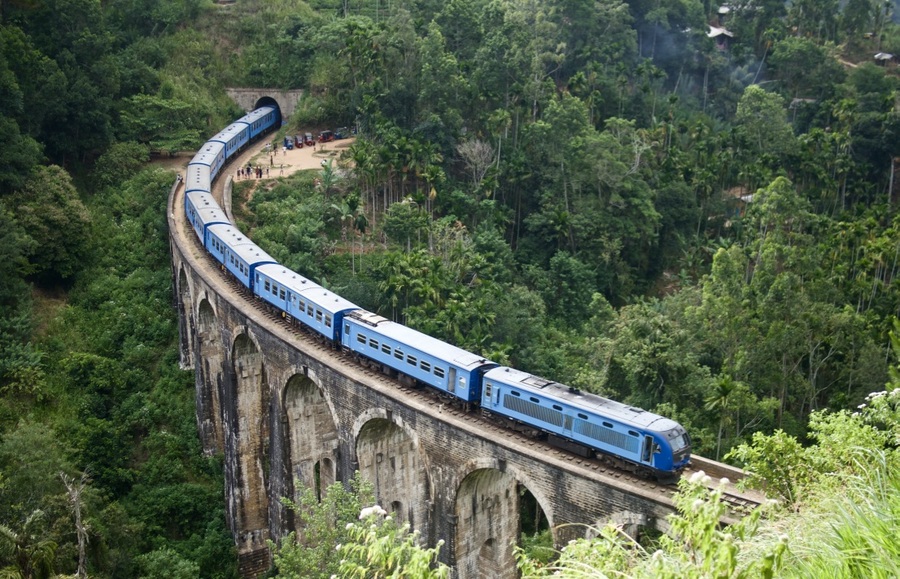
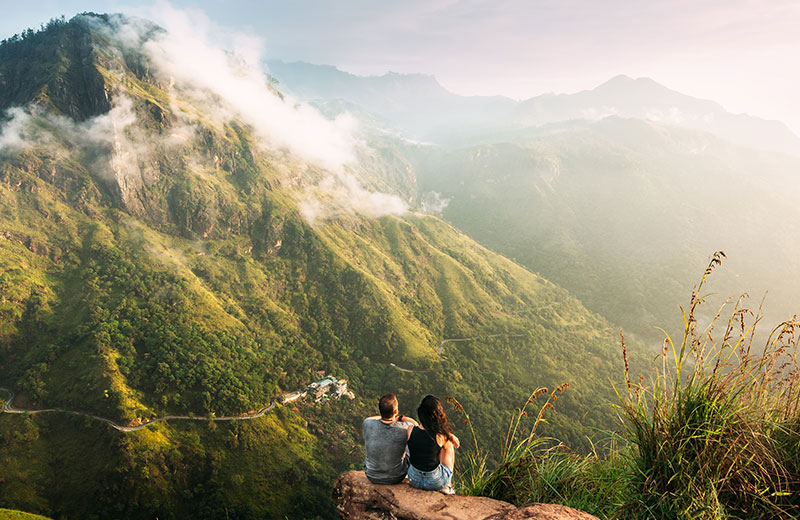
Ella is the hill country’s most beloved town – a small, open village perched at over 1,000 metres with views across a wide green valley that stretches to the distant plains. Its iconic Nine Arches Bridge, the trail to Little Adam’s Peak, and the surrounding network of tea estate walks make it a natural centre for highland exploration. The food scene, the café culture, and the quality of the small boutique lodges dotted across the surrounding hillsides have made it one of Sri Lanka’s most deservedly popular destinations. An excellent centre for two or three days of highland living.

Nuwara Eliya

Nuwara Eliya is Sri Lanka’s highest and most atmospheric highland town – a colonial-era hill station at 1,868 metres that carries the peculiar and deeply charming character of a piece of rural England transplanted into a tropical island. Golf clubs, Victorian-era hotels, a flower-edged lake, and the surrounding acres of immaculate tea estates create an experience unlike anything else on the island. The climate is cool year-round, the colonial architecture is remarkably preserved, and the proximity to Horton Plains and some of the island’s finest tea estates makes it an ideal highland base.

Horton Plains

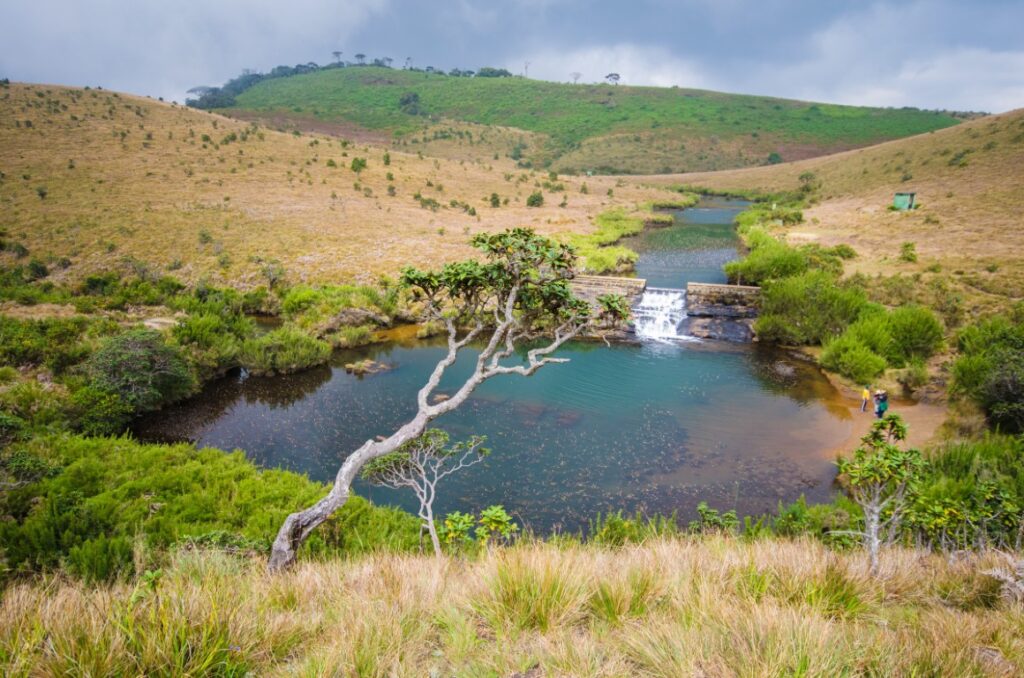
Horton Plains is a high-altitude plateau of grassland, cloud forest, and dramatic escarpment set at 2,100 metres above sea level – Sri Lanka’s most striking highland walking destination. The trail to World’s End, a sheer cliff edge that drops nearly 900 metres to the southern plains, is one of the island’s most dramatic physical experiences, best reached in the early morning before cloud cover descends. Baker’s Falls, the endemic purple-faced langur, and the sweeping moorland landscape of the plateau add further dimensions to what is already an exceptional destination.

Haputale

Haputale is one of Sri Lanka’s most dramatically positioned towns – a narrow highland ridge with views across both the southern plains and the central hills, creating a vista that seems to encompass half the island from a single vantage point. Less visited than Ella or Nuwara Eliya, it has retained a genuinely local, unhurried character, with a market town atmosphere and surrounding tea estates that feel entirely authentic. The nearby Lipton’s Seat – a hilltop viewpoint used by tea magnate Sir Thomas Lipton to survey his estates – is one of the finest panoramas on the island.

Hatton & Tea Country

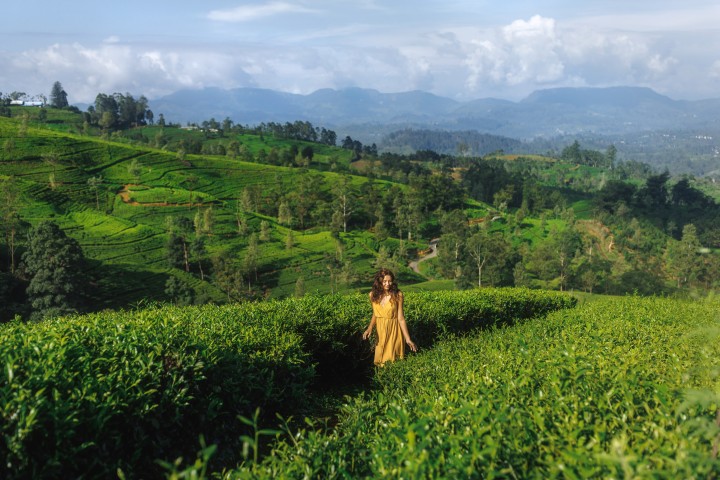
Hatton is the heart of Sri Lanka’s most famous tea-producing region – a highland landscape of extraordinary scale and beauty, where rolling hills are covered from valley floor to ridgeline in the precise, geometric patterns of working tea cultivation. Planter-led visits to working estates provide genuine access to the full story of Ceylon tea, from the morning plucking through withering, rolling, and drying, to the tasting that reveals the remarkable range of flavours produced in these hills. The surrounding accommodation – some of the island’s finest boutique and plantation stays – makes this a destination to slow down in and truly savour.

Deeper in. Quieter. The Sri Lanka that most travellers never reach.

Sri Lanka’s nature and eco destinations occupy the island’s quieter corners – rainforest reserves of extraordinary biodiversity, river systems winding through mangrove channels, mountain wilderness areas rarely visited by mainstream tourism, and ancient forest monastery ruins that have been reclaimed by the jungle over centuries. These are the destinations that reward the traveller willing to go further and move more slowly.

Sinharaja Rainforest

Sinharaja is Sri Lanka’s most irreplaceable natural treasure – the island’s last significant area of primary lowland rainforest, a UNESCO World Heritage Site of breathtaking biodiversity. Over 60% of Sri Lanka’s endemic trees grow here, alongside an extraordinary concentration of endemic bird species that makes it one of Asia’s top birdwatching destinations. Guided walks through the forest move through a world of ancient trees, epiphytes, stream crossings, and the calls of species found nowhere else on earth. A genuinely rare and profoundly beautiful natural experience.

Knuckles Mountain Range

The Knuckles – named for the fist-like silhouette of its ridgeline – is a UNESCO-listed mountain wilderness of cloud forest, river valleys, waterfalls, and endemic biodiversity that rises above the cultural triangle in a landscape of dramatic and largely unspoiled beauty. Its trails range from short nature walks to multi-day treks through forest camps, and the villages scattered across the range offer authentic interaction with highland communities who have lived among these mountains for generations. Less visited than the southern hill country, the Knuckles rewards those who seek it with a sense of genuine discovery.

Kitulgala

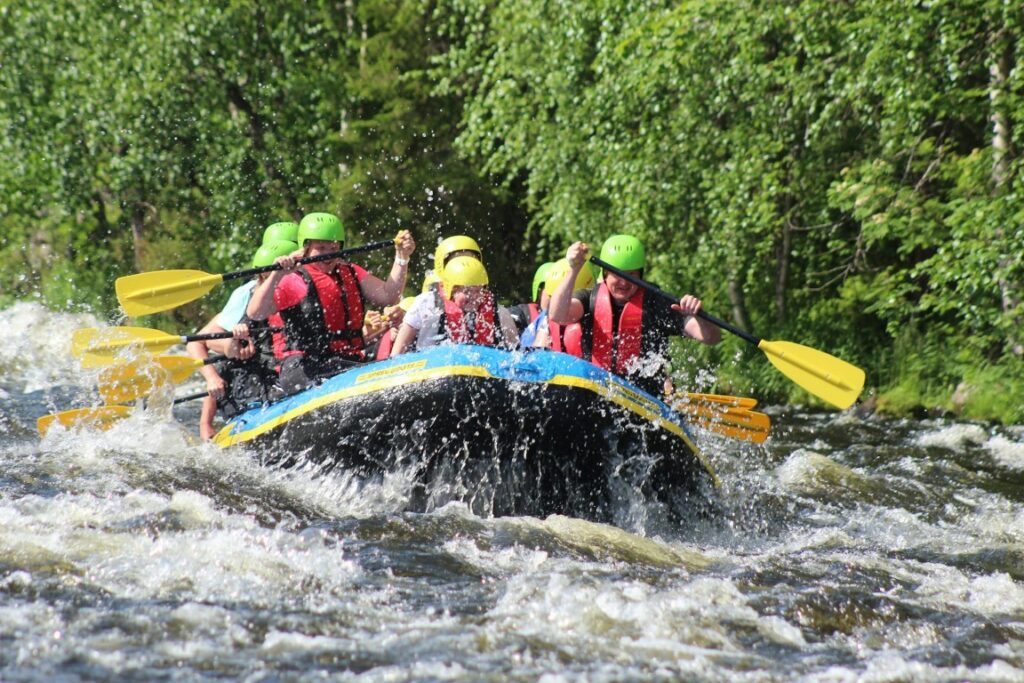
Kitulgala sits in a rainforest valley on the Kelani River – the location chosen for filming The Bridge on the River Kwai, and now Sri Lanka’s premier white water rafting destination. The river runs fast and clear through Grade 3 and 4 rapids that challenge and thrill in equal measure, led by safety-certified guides with professional equipment. The surrounding forest is exceptional for endemic birdlife, the river pools are ideal for swimming, and the combination of adrenaline activity and natural beauty makes Kitulgala one of the island’s most satisfying adventure days.

Madu River & Bentota River

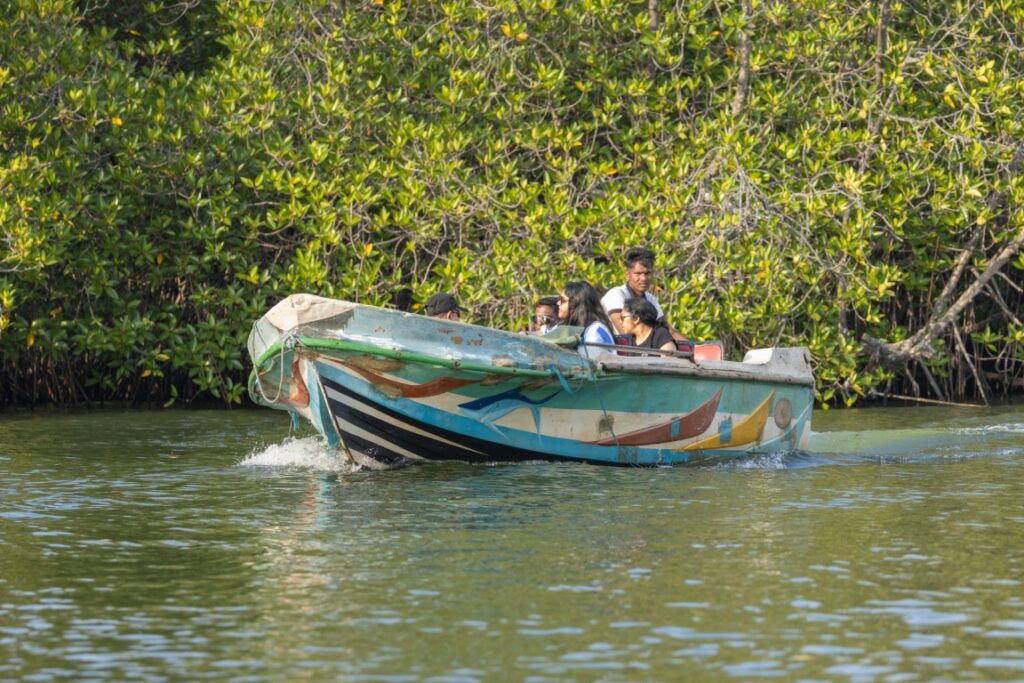
The Madu River and its surrounding mangrove ecosystem form one of Sri Lanka’s most ecologically extraordinary and visually beautiful coastal environments. Boat safaris wind through channels of ancient mangrove forest, past tiny temple islands, feeding kingfishers, monitor lizards, and water monitors, creating a completely unexpected and deeply rewarding experience just inland from the busy south coast highway. The Bentota River offers its own distinct character – wider, calmer, and framed by coconut groves – making the combined river experience one of the region’s most memorable activities.

Ritigala Forest Monastery

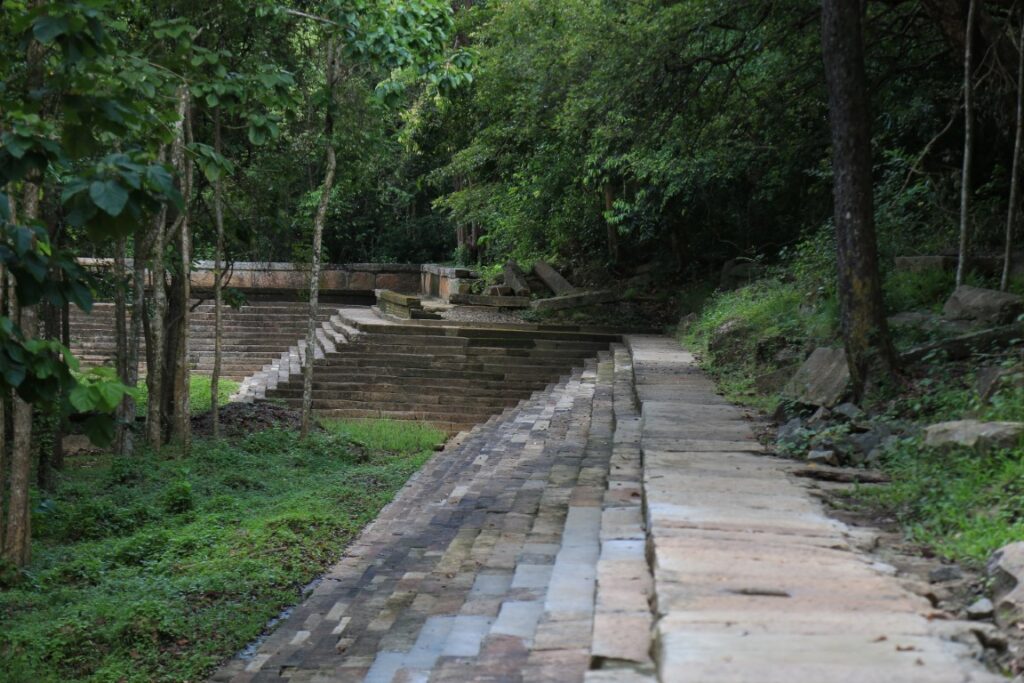
Ritigala is one of Sri Lanka’s most mysterious and least-visited ancient sites – a ruined forest monastery hidden within a protected nature reserve on a remote hilltop plateau, accessible only on foot through dense jungle. The site is vast, largely unexplored, and utterly unlike any other heritage destination on the island – its ancient stone pathways, meditation platforms, and crumbling structures emerging from deep forest without a single souvenir stall or crowd in sight. For travellers seeking genuine off-the-beaten-path heritage, Ritigala is among the island’s most extraordinary and rewarding discoveries.